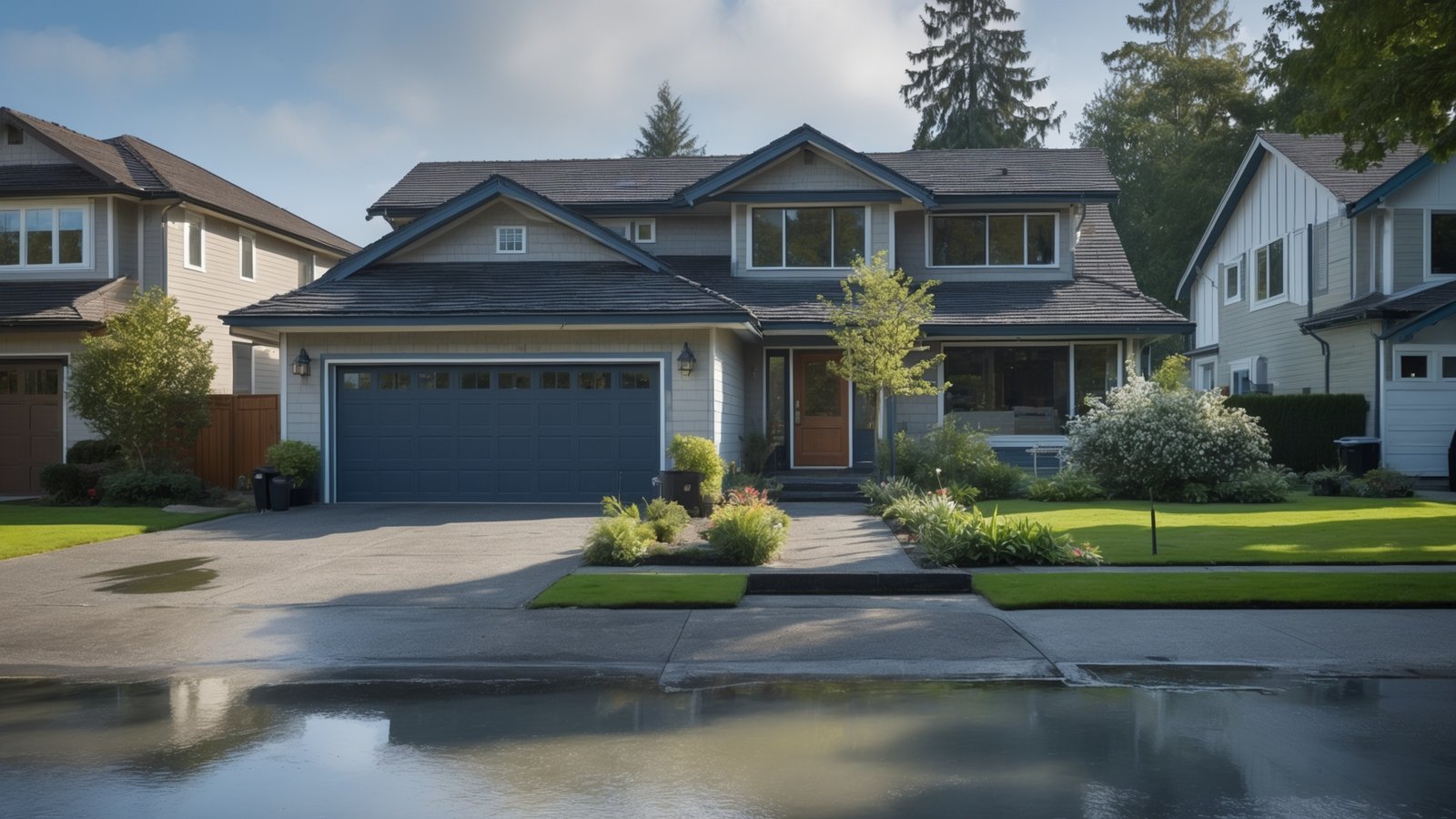
Your home’s exterior is covered in algae, mold, and grime that makes it look decades older than it actually is. You know it needs cleaning, but should you blast it with high pressure or take a gentler approach? The debate between soft washing vs pressure washing isn’t just about cleaning power. It’s about protecting your investment while achieving results that actually last.
This guide breaks down exactly when to use each method, what surfaces require special care, and how the wrong choice can cost you thousands in repairs. By the end, you’ll know precisely which technique your home needs.
What Is Pressure Washing and How Does It Work
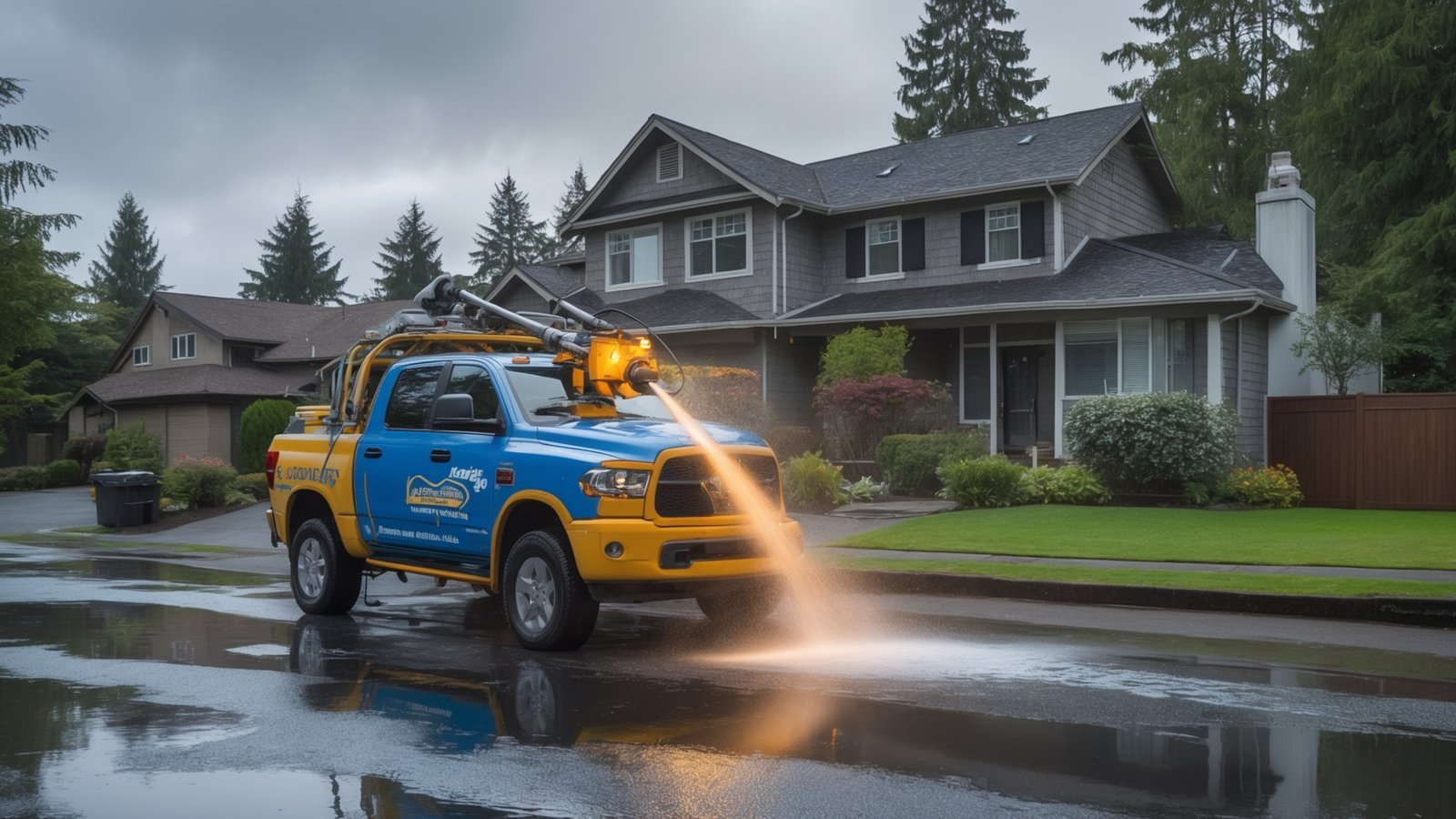
Pressure washing uses high-pressure water, typically between 1,300 and 3,100 PSI (pounds per square inch), to blast away dirt, grime, and stains from hard surfaces. The equipment forces water through a narrow nozzle at speeds that can strip away years of buildup in seconds.
The technique excels on concrete driveways, brick patios, stone walkways, and other dense materials that can withstand aggressive cleaning. The raw force removes embedded dirt, oil stains, tire marks, and stubborn debris that gentler methods can’t touch.
However, that same power creates serious risks. At 2,000 PSI, water can cut through skin, splinter wood, crack vinyl siding, and force water behind protective barriers. Even experienced operators can cause damage when they misjudge the distance, angle, or pressure needed for a particular surface.
What Is Soft Washing and Why It Matters
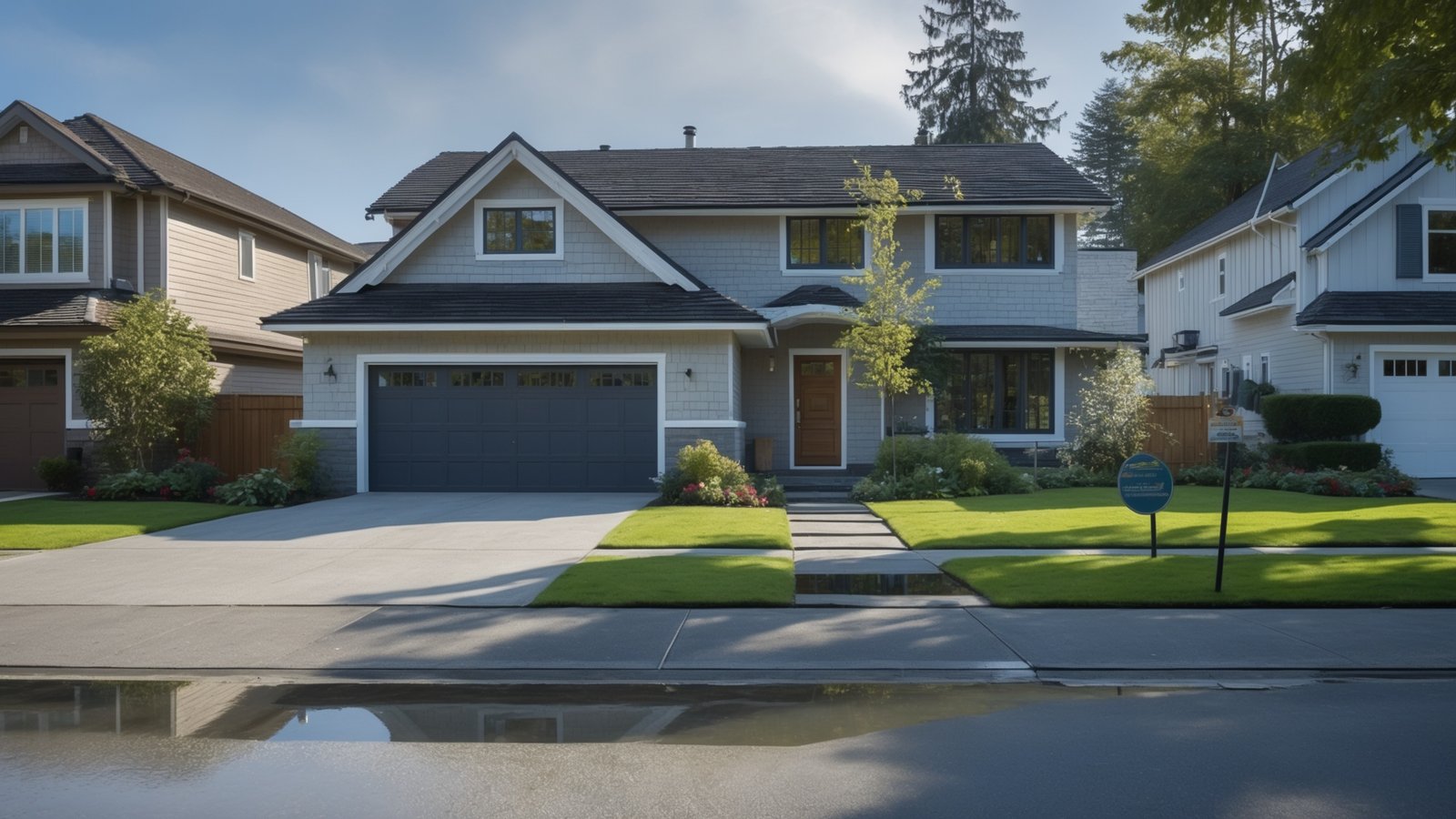
Soft washing applies specialized cleaning solutions at low pressure, typically under 500 PSI, roughly the same force as a garden hose. Instead of relying on water pressure alone, the method uses biodegradable detergents that break down organic growth at the molecular level.
The cleaning solutions do the heavy lifting. They penetrate deep into porous surfaces, killing mold, mildew, algae, and bacteria at the root. This approach doesn’t just clean the surface. It sanitizes and prevents regrowth for months or even years longer than pressure washing alone.
Soft washing works on delicate surfaces that would be destroyed by high pressure: vinyl siding, painted wood, asphalt shingles, stucco, and any surface with seams, cracks, or vulnerable points where water intrusion could cause rot or mold.
The Science Behind Soft Washing Solutions
Professional soft washing uses carefully balanced mixtures of sodium hypochlorite (similar to bleach), surfactants that help solutions cling to vertical surfaces, and water. The ratios change based on the surface type, level of contamination, and environmental conditions.
These solutions eliminate organic stains without mechanical force. Once applied, they’re left to dwell for several minutes, then rinsed thoroughly with low pressure water. The result is a deep clean that reaches places high pressure water simply can’t penetrate.
Key Differences Between Soft Washing vs Pressure Washing
The fundamental difference comes down to force versus chemistry. Pressure washing relies on mechanical energy to physically strip contamination away. Soft washing uses chemical reactions to dissolve and kill organic growth.
Pressure washing delivers immediate visual results. You see dirt disappear in real time as the wand moves across the surface. Soft washing requires patience, as the solutions need time to work before rinsing reveals the clean surface beneath.
Cost and equipment differ significantly too. Pressure washers are relatively simple machines available at any hardware store. Professional soft washing requires specialized pumps, custom nozzles, chemical knowledge, and extensive training to mix solutions safely and effectively.
Surface Compatibility Comparison
Pressure washing suits horizontal concrete surfaces, bare brick without mortar damage, stone pavers, and metal structures. These materials can handle 2,000 to 3,000 PSI without surface degradation.
Soft washing protects vinyl siding, composite materials, painted surfaces, wood decks (depending on condition), asphalt roofs, delicate stonework, and any surface where high pressure could force water into unwanted areas. In the Pacific Northwest, where moisture intrusion leads to rapid rot and mold growth, this distinction becomes critical.
When to Use Pressure Washing on Your Home
Concrete driveways and walkways are ideal candidates for pressure washing. The dense material withstands high pressure, and the force effectively removes oil stains, tire marks, rust, and ground-in dirt that accumulates over years.
Brick patios and retaining walls clean up beautifully with pressure washing, provided the mortar joints remain intact. Always inspect mortar first. If you see crumbling or gaps, pressure washing will make the damage worse by blasting material out of the joints.
Metal surfaces like chain-link fences, wrought iron railings, and steel structures benefit from pressure washing to remove rust, oxidation, and peeling paint before refinishing. The high pressure prepares surfaces for new coatings better than hand scrubbing ever could.
Pressure Washing Safety Considerations
Never point a pressure washer at windows, electrical fixtures, outdoor lighting, or any penetrations in your home’s exterior envelope. The water can breach seals, crack glass, or force moisture into electrical boxes.
Maintain a minimum distance of 12 to 18 inches from the surface, adjusting based on pressure and nozzle type. Closer than that and you risk etching concrete, splintering wood, or damaging protective coatings.
When to Choose Soft Washing Instead
Your roof should never see a pressure washer. Asphalt shingles have protective granules that high pressure strips away, dramatically shortening roof life. Soft washing removes the black streaks (actually algae called Gloeocapsa magma) without damaging the shingles or voiding manufacturer warranties.
Vinyl siding ranks as the most common pressure washing casualty. The high force can crack panels, force water behind the siding into wall cavities, and push moisture into insulation where it causes mold and rot. Soft washing delivers identical visual results without the risk.
Wood surfaces, whether painted, stained, or bare, require the gentle approach. Pressure washing raises the grain, splinters fibers, and can strip finishes unevenly. Soft washing cleans without structural damage, extending the life of decks, fences, and trim.
Pro Tip: If you can dent a surface with your fingernail or a screwdriver, it’s too soft for pressure washing. Use the soft washing method instead to avoid permanent damage.
Soft Washing for Long-Term Results
Pressure washing removes visible contamination but often leaves behind roots, spores, and microscopic growth that recolonize surfaces within months. Soft washing kills these organisms completely, keeping surfaces cleaner two to four times longer.
This extended protection makes soft washing more cost-effective over time, despite potentially higher initial service costs. Cleaning less frequently means less wear on your surfaces and lower lifetime maintenance expenses.
What Homeowners Get Wrong About Exterior Cleaning
The biggest mistake is assuming more pressure equals better cleaning. Homeowners rent the most powerful pressure washer available, then cause thousands in damage to siding, decks, and roofs in a single afternoon.
Another common error involves mixing methods inappropriately. Some attempt to soft wash concrete driveways, which wastes time and cleaning solution. Others pressure wash delicate surfaces that clearly require the gentler approach.
Timing matters too. Many homeowners wait until growth becomes severe before cleaning, making the job harder and potentially allowing permanent staining. Regular maintenance cleaning prevents the deep contamination that requires aggressive treatment.
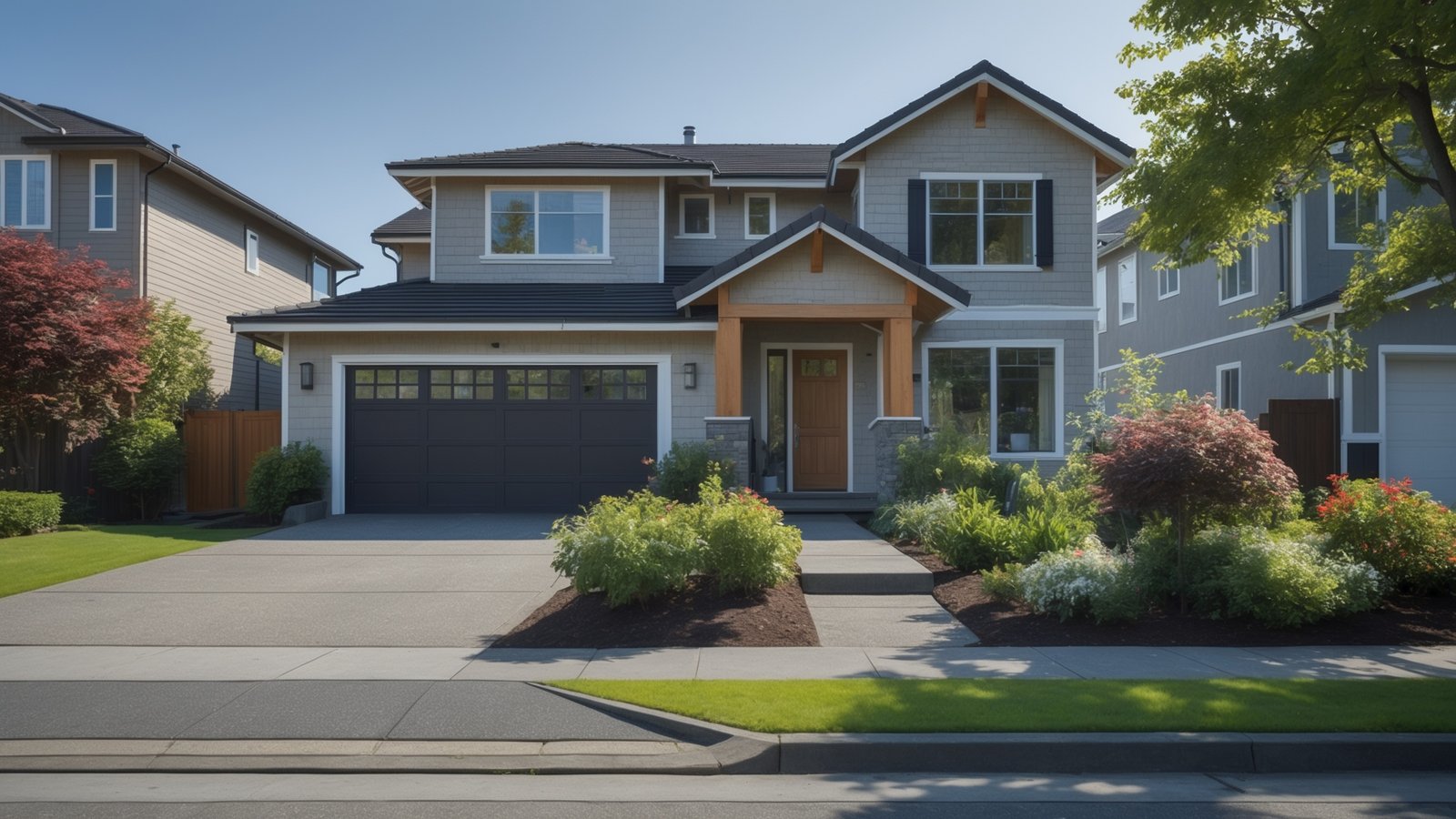
The Right Cleaning Method for Pacific Northwest Homes
The Pacific Northwest climate creates unique challenges for exterior cleaning. Constant moisture, mild temperatures, and limited direct sunlight create perfect conditions for algae, moss, lichen, and mold growth on virtually every exterior surface.
Homes in this region need regular soft washing on roofs, siding, and vertical surfaces to combat organic growth. The chemical treatments used in soft washing are specifically designed to kill the organisms that thrive in our damp climate.
Driveways, walkways, and patios still benefit from periodic pressure washing to remove the mud, debris, and staining that accumulate during wet seasons. The key is matching the method to the surface, not applying one technique to everything.
Seasonal Considerations for Exterior Cleaning
Spring and early summer offer ideal conditions for soft washing in the Pacific Northwest. Surfaces have accumulated winter growth, temperatures allow proper chemical dwell time, and you’ll enjoy the clean results throughout the dry season.
Avoid soft washing when temperatures drop below 40 degrees Fahrenheit, as cleaning solutions lose effectiveness. Similarly, don’t clean during rainy periods when solutions will be diluted before they can work properly.
Professional Cleaning vs DIY Methods
Rental pressure washers seem economical until you factor in the learning curve, time investment, and damage risk. Most homeowners lack the experience to adjust pressure, select appropriate nozzles, and maintain safe distances for different surfaces.
Soft washing equipment and chemicals aren’t typically available to consumers. Even when they are, improper mixing ratios can damage plants, stain surfaces, or simply fail to clean effectively. The specialized knowledge required makes this a poor DIY candidate.
Professional services bring calibrated equipment, surface-specific techniques, liability insurance, and efficiency that comes from cleaning hundreds of homes. Resilience Exterior Cleaning has serviced thousands of homes across the Pacific Northwest using methods proven to clean thoroughly while protecting your investment.
Key Takeaway: The cost difference between professional service and DIY becomes negligible when you account for equipment rental, your time, and the very real risk of causing damage that costs hundreds or thousands to repair.
How to Choose Between the Two Methods
Start by identifying your surface material. Hard, non-porous surfaces like concrete, brick, and stone can typically handle pressure washing. Soft, porous, or layered materials like siding, roofs, and painted wood require soft washing.
Consider what you’re trying to remove. Inorganic stains like rust, paint, or oil respond well to pressure washing. Organic growth like algae, mold, mildew, and lichen require the sanitizing chemistry of soft washing for lasting results.
Think about long-term goals. If you want the quickest visible result and aren’t concerned about regrowth, pressure washing works for appropriate surfaces. If you want deep cleaning that prevents return growth and protects surface integrity, soft washing delivers superior value.
Combining Methods for Complete Exterior Cleaning
The most effective approach uses both techniques strategically. Soft wash your roof, siding, trim, and delicate surfaces. Pressure wash your driveway, concrete walks, and hardy hardscapes. This combination maximizes cleaning effectiveness while minimizing damage risk.
Professional cleaning services assess each surface individually, applying the appropriate method to each area. This targeted approach delivers better results than a one-size-fits-all strategy.
Frequently Asked Questions
Is soft washing safe for all types of siding?
Soft washing is safe for vinyl, fiber cement, wood, stucco, and most other siding materials when performed correctly with properly diluted solutions. The low pressure prevents damage while the cleaning agents eliminate organic growth without harming the surface. Always ensure landscaping is pre-wetted and rinsed afterward to protect plants from cleaning solutions.
How long do soft washing results last compared to pressure washing?
Soft washing typically keeps surfaces clean for 18 to 24 months or longer because it kills organic growth at the root rather than just removing surface contamination. Pressure washing results usually last 6 to 12 months before algae and mold recolonize. The extended protection of soft washing often makes it more economical despite potentially higher initial costs.
Can pressure washing damage my home’s exterior?
Yes, pressure washing can crack vinyl siding, strip paint, damage wood fibers, force water behind exterior barriers, break window seals, and remove protective granules from roof shingles. Damage occurs when pressure is too high, the nozzle is too close, or the wrong technique is used for a particular surface. This is why surface-appropriate method selection is critical.
Will soft washing harm my landscaping or lawn?
Professional soft washing protects landscaping through proper preparation and rinsing protocols. Plants and grass are pre-wetted before application, delicate vegetation is covered, and everything is thoroughly rinsed after cleaning. The solutions used are biodegradable and, when applied correctly by trained technicians, pose minimal risk to established landscaping.
How much does professional soft washing cost compared to pressure washing?
Soft washing typically costs 10 to 30 percent more than pressure washing due to specialized equipment, professional-grade cleaning solutions, and the expertise required. However, the longer-lasting results mean you clean less frequently, often making soft washing more cost-effective over a five-year period. Prices vary based on home size, surface condition, and accessibility.
Protecting Your Home with the Right Cleaning Method
The choice between soft washing vs pressure washing determines whether you protect or damage your home’s exterior surfaces. Understanding which method suits each surface type prevents costly repairs while delivering the deep, lasting clean your home deserves.
If you’re ready to restore your home’s exterior with methods proven safe and effective across thousands of Pacific Northwest properties, Resilience Exterior Cleaning brings over five years of professional experience to every project. Our trained technicians use the right technique for each surface, ensuring your home looks its best without risk of damage.
Contact us at +14255594404 to schedule an assessment and discover which cleaning method will deliver the results your home needs.