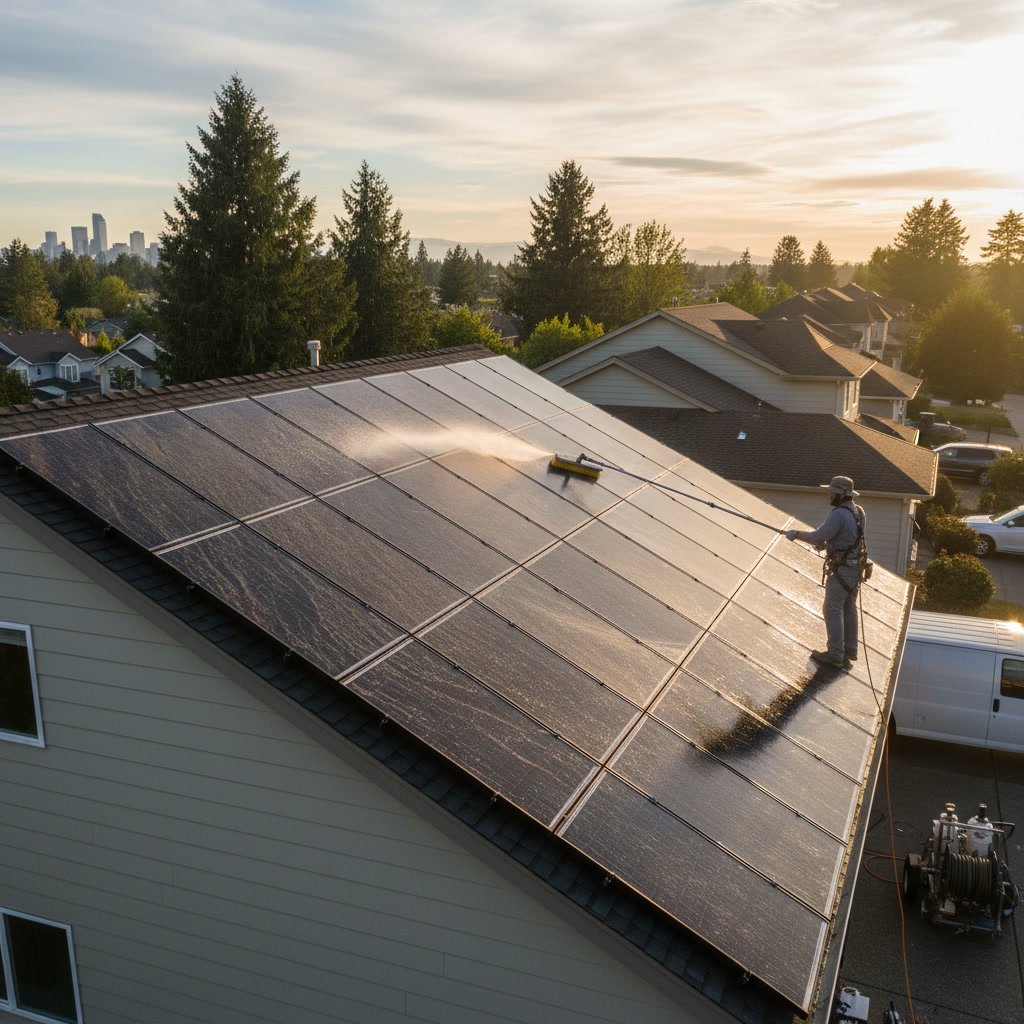
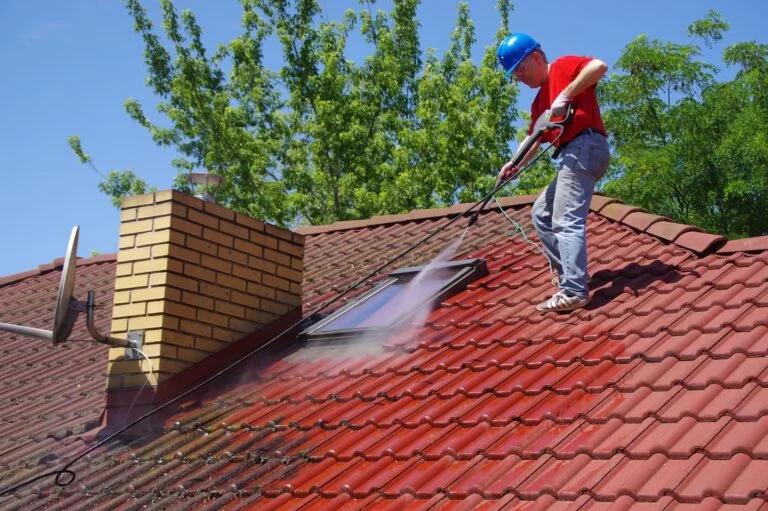
Water dripping from your skylight onto your floor is more than an inconvenience. It’s a warning sign that debris, moss, and grime have compromised your skylight’s ability to shed water properly. Skylight leak prevention starts with understanding what causes these leaks in the first place and recognizing that regular cleaning is one of your most effective defenses against water damage.
Most homeowners don’t think about their skylights until water appears where it shouldn’t. By that point, the damage may have already spread to insulation, drywall, and framing. This guide explains the root causes of skylight leaks, why debris accumulation is more dangerous than most people realize, and how professional cleaning keeps your skylights functioning the way they’re designed to.
The Most Common Causes of Skylight Leaks
Skylights fail to keep water out for several interconnected reasons. While faulty installation or aging materials play a role, the majority of leaks stem from issues that develop gradually over time.
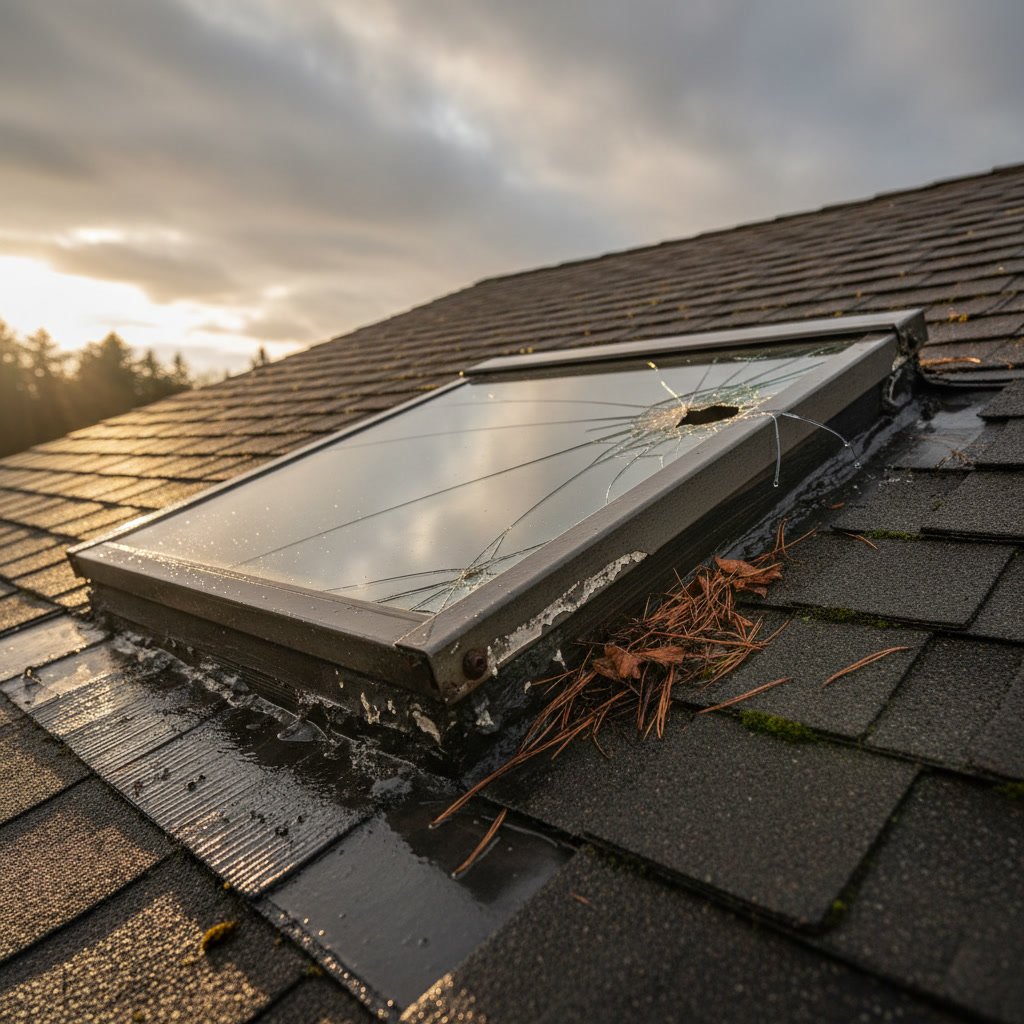
Debris accumulation around the skylight curb and flashing is the leading culprit. Leaves, pine needles, moss, and dirt collect in the valleys where the skylight meets the roof. This organic material holds moisture against seals and flashing, accelerating deterioration. In the Pacific Northwest climate, where rain is frequent and trees are abundant, this debris builds up faster than in drier regions.
Moss growth deserves special attention. Once moss establishes itself on or around your skylight, it acts like a sponge. It absorbs water during rain and releases it slowly, keeping the area perpetually damp. Moss roots can work their way under flashing and even compromise the seal between the skylight frame and the glass itself.
Clogged weep holes are another frequent issue. Most skylights have small drainage channels designed to let condensation and any minor water intrusion escape. When these holes become blocked with dirt and debris, water backs up and finds alternative paths, often into your home’s interior.
How Weather Conditions Accelerate Skylight Problems
Seattle, Tacoma, and surrounding areas experience conditions that are particularly hard on skylights. The combination of heavy rainfall, mild temperatures, and tree cover creates an ideal environment for organic growth and debris accumulation.
Winter storms deposit layers of leaves and small branches. Spring brings pollen and seed pods. Summer allows moss and algae to thrive in shaded, damp spots. Fall repeats the leaf cycle. Without intervention, each season adds another layer to the problem.
Why Cleaning Is Central to Skylight Leak Prevention
Regular professional cleaning removes the conditions that lead to leaks before they cause damage. When technicians clean a skylight properly, they address multiple vulnerability points in a single service.
First, they clear all debris from the skylight curb, flashing, and surrounding roof area. This eliminates the moisture-trapping material that accelerates seal degradation. Second, they remove moss, algae, and biological growth that can compromise waterproofing materials. Third, they clear weep holes and drainage paths, ensuring water moves away from vulnerable areas as designed.
Professional skylight cleaning also provides an opportunity for visual inspection. Trained technicians can spot early signs of seal failure, flashing separation, or frame deterioration that homeowners can’t see from ground level. Catching these issues early often means a simple repair instead of extensive water damage remediation.
Pro Tip: Schedule skylight cleaning at least once per year, ideally in late fall after leaf drop or early spring before heavy rain season. Properties with significant tree cover may benefit from twice-yearly service.
The Connection Between Roof Maintenance and Skylight Health
Your skylight doesn’t exist in isolation. Its performance depends partly on the condition of the surrounding roof. Debris that collects on the roof eventually migrates to low points, including the area around your skylight.
Regular roof cleaning reduces the total volume of organic material that can accumulate around skylights. When combined with dedicated skylight attention, this comprehensive approach provides the best protection. Many homeowners in Bellevue and Woodinville who invest in both services report significantly fewer leak issues compared to those who address only one or the other.
What Happens When Skylight Leaks Go Unaddressed
Water follows the path of least resistance. When a skylight begins to leak, water doesn’t always appear directly below the source. It may travel along framing members, soak into insulation, or run down interior walls before becoming visible.
By the time you notice a water stain on your ceiling or a drip on your floor, the leak has likely existed for weeks or months. The hidden damage during that period can be extensive. Wet insulation loses its R-value and may need replacement. Damp wood framing can develop rot or attract wood-boring insects. Drywall and paint are often the least expensive components to repair.

Mold is a serious concern with skylight leaks. The dark, damp conditions inside a wall cavity or attic space are perfect for mold growth. Once established, mold remediation is expensive and disruptive. Some insurance policies have limited mold coverage, leaving homeowners responsible for costs that can reach thousands of dollars.
The True Cost of Neglected Skylights
Repair costs escalate quickly once water intrusion begins. A minor seal repair might cost a few hundred dollars. Replacing rotted framing, moldy insulation, and damaged drywall can run into thousands. If the skylight unit itself needs replacement due to frame corrosion, you’re looking at even higher expenses.
Compare this to the cost of preventive cleaning. Professional service typically costs a fraction of even minor repair work. Over a ten-year period, regular cleaning saves most homeowners several thousand dollars compared to the repair-only approach.
How Professional Cleaning Differs from DIY Approaches
Some homeowners attempt to clean their own skylights from a ladder or through a window. While this may address visible dirt on the glass, it misses the critical areas where leak prevention matters most.
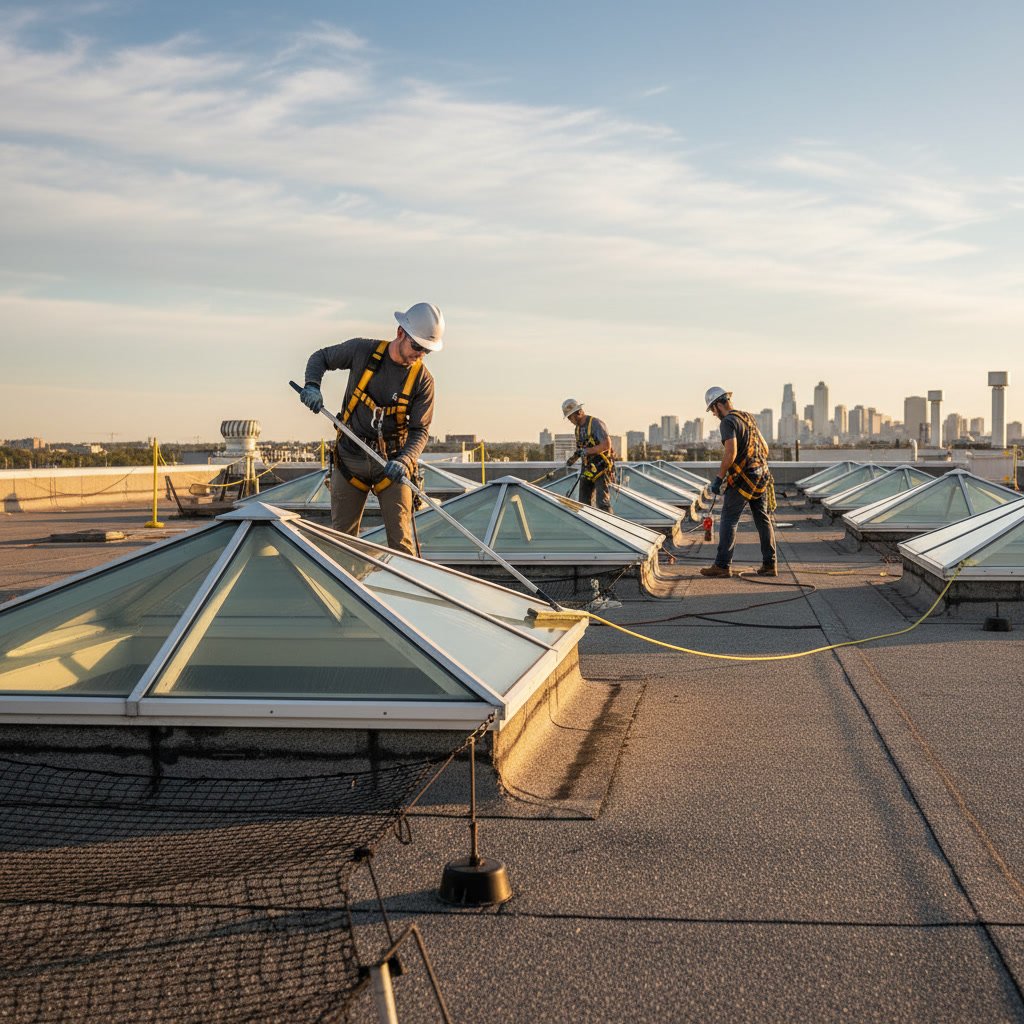
Professional technicians access the exterior surface safely using proper equipment. They can reach the flashing, curb, and surrounding roof area where debris accumulates. They use appropriate cleaning methods that remove organic growth without damaging seals or weatherproofing materials.
The cleaning solutions and techniques matter. Aggressive scrubbing or harsh chemicals can damage the rubber seals and gaskets that keep water out. Professional services like those offered by Resilience Exterior Cleaning use methods that are effective against moss and algae while being safe for all skylight components. Similar careful approaches are used in soft washing applications for delicate exterior surfaces.
Safety Considerations for Roof-Level Work
Skylights are often positioned in challenging locations. Steep roof pitches, slippery surfaces, and height all create safety risks. Professional technicians are trained in fall protection and proper ladder use. They carry liability insurance that protects homeowners if an accident occurs.
DIY skylight cleaning sends hundreds of homeowners to emergency rooms each year. The cost of a single fall, even a minor one, far exceeds what you’d spend on professional service over many years.
Additional Preventive Measures for Skylight Longevity
While cleaning is the foundation of skylight leak prevention, other maintenance steps extend the life of your skylights and reduce leak risk.
Keep nearby trees trimmed. Overhanging branches drop excessive debris and create shade that promotes moss growth. A tree service visit every few years can significantly reduce the maintenance your skylights require.
Ensure your gutters function properly. When gutters overflow, water cascades over the edge and may run back under roofing materials near skylights. Regular gutter cleaning and maintenance protects your entire roofing system, including skylights. Pacific Northwest homeowners often find that addressing gutter maintenance reduces problems across multiple building components.
Consider moss control treatments for your entire roof. Preventing moss establishment in the first place is easier than removing it repeatedly. Professional moss control treatments applied to the full roof surface create an environment where moss struggles to gain a foothold, reducing accumulation around skylights.
When to Schedule Emergency Inspection
If you notice water stains, drips, or dampness around your skylight, don’t wait for your next scheduled cleaning. Immediate inspection can prevent damage from worsening and help identify whether the issue is cleaning-related or requires repair.
After major storms, especially those with high winds, a quick visual check is worthwhile. Branches or other debris may have caused damage that needs prompt attention.
Regional Considerations for Pacific Northwest Homes
Homes in Everett, Lynnwood, and Marysville face particular challenges due to heavy tree cover and consistent rainfall. The Douglas fir, cedar, and hemlock forests that make the region beautiful also produce substantial organic debris.
Properties in these areas often need more frequent skylight maintenance than the annual minimum. If your home is surrounded by mature trees or positioned in a heavily shaded location, twice-yearly cleaning may be necessary for effective skylight leak prevention.
Coastal areas like Mukilteo experience salt air in addition to rain and debris. Salt accelerates corrosion of metal components, including skylight frames and flashing. Thorough cleaning that removes salt residue protects these vulnerable parts.
Understanding your specific microclimate helps you schedule maintenance at appropriate intervals. A professional service familiar with local conditions can recommend a frequency that matches your property’s needs rather than applying a one-size-fits-all approach.
Frequently Asked Questions
How often should skylights be professionally cleaned to prevent leaks?
Most homes benefit from annual professional skylight cleaning, scheduled either in late fall after leaf drop or early spring before heavy rains. Properties with significant tree cover, particularly evergreens that shed needles year-round, should consider twice-yearly service. Regular cleaning removes debris before it can trap moisture and compromise seals.
Can cleaning really prevent skylight leaks or do they just wear out over time?
While skylights do eventually age and require replacement, proper maintenance dramatically extends their lifespan and prevents premature failure. Most skylight leaks result from debris accumulation and organic growth rather than simple age. A well-maintained skylight in a 20-year-old home often performs better than a five-year-old skylight that has never been cleaned.
What are the warning signs that my skylight needs immediate cleaning?
Visible moss or dark streaks on or around the skylight indicate organic growth that needs removal. Water stains on the ceiling near the skylight, condensation between glass panes, or debris buildup visible from inside are all signs that cleaning is overdue. If you notice any moisture issues, schedule service immediately rather than waiting for your regular maintenance cycle.
Is it safe to clean skylights myself or should I hire a professional?
While you can clean the interior glass surface safely, exterior cleaning requires roof access and carries significant fall risk. Professional technicians have proper safety equipment, training, and insurance. They also address the critical areas around flashing and curbs that are essential for leak prevention but difficult to reach safely without specialized equipment.
How does moss damage skylights and lead to leaks?
Moss acts as a sponge, holding moisture against seals, gaskets, and flashing for extended periods. This constant dampness accelerates deterioration of waterproofing materials. Moss roots can work under flashing edges and even between frame components, creating pathways for water intrusion. In the Pacific Northwest climate, moss growth around skylights is one of the primary causes of preventable leaks.
Protecting Your Home Through Regular Maintenance
Skylight leak prevention is straightforward when you understand the relationship between debris accumulation and water intrusion. Regular professional cleaning removes the organic material and growth that compromise your skylight’s waterproofing, extends the life of expensive components, and prevents costly interior damage. Combined with proper gutter maintenance and occasional inspection, cleaning forms the foundation of a skylight care strategy that protects your home for decades.
Resilience Exterior Cleaning provides comprehensive skylight cleaning services throughout Everett, Seattle, Tacoma, Bellevue, and surrounding communities. Our trained technicians safely access and clean all skylight components, clear drainage paths, and identify potential issues before they become expensive problems. Schedule your skylight maintenance by calling 4254719386 and protect your home from preventable water damage.